The decision this lesson helps you make
Escrow is not waiting time. It is a compressed project with lender, title, insurance, appraisal, deposit, disclosures, signing, wire, and recording workstreams. A 21- or 30-day close feels calm only when the first week is disciplined. The messy closings usually start with missed deposit instructions, delayed insurance, slow lender conditions, or last-minute wire confusion. Read this as a working field guide, not as generic education. The goal is that before you tour, write, remove contingencies, or wire funds, you can explain the decision in plain English: what you know, what you do not know, what can be verified, what must be priced, and what risk you are deliberately accepting.
How to use this page: first read the whole guide once without a listing in front of you. Then open a real property folder and apply each section as a diligence pass. If a section produces a question, do not leave it as anxiety; turn it into an owner, a deadline, and an action. The buyer who wins safely is not the buyer with zero risk. It is the buyer who can name the risks and choose which ones are acceptable.





Full field guide
First 24 hours: secure the transaction
Confirm escrow contacts independently, deliver earnest money according to contract, send the ratified contract to the lender, start insurance quotes, and calendar every deadline.
Wire fraud prevention starts immediately. Do not rely on email instructions alone. Verify by trusted phone number.
Create a command center folder with contract, escrow contact, lender contact, title contact, deadlines, and open items.
First week: resolve contingencies and lender work
Lender orders appraisal and updates underwriting. Buyer reviews title, HOA if applicable, insurance, remaining inspections, and disclosure questions.
Questions must become decisions while deadlines are still alive. Waiting until the day of removal creates avoidable risk.
Hold a short daily check: lender conditions, escrow items, insurance status, appraisal status, and diligence questions.
Middle of escrow: clear conditions
Expect requests for updated statements, deposit explanations, employer verification, insurance binder, HOA documents, or appraisal follow-up.
Avoid new debt, large transfers, job changes, or unexplained deposits without lender approval. These can reopen underwriting.
Respond same day whenever possible and keep a log of what was sent.
Final 72 hours: sign, wire, record
Review Closing Disclosure, sign documents, verify final wire instructions, complete final walkthrough, and wait for recording.
Signing is not ownership. Recording is the legal milestone that usually triggers keys.
Before final walkthrough, bring inspection notes and agreed repairs so the visit has a checklist.
Bay Area mistakes to avoid
Bay Area transactions move quickly, and speed creates false confidence. The most expensive mistakes usually come from compressing three different decisions into one: whether you like the home, whether the price is justified, and whether the risk package is acceptable. Keep those decisions separate. You can love a home and still reject the terms. You can dislike a defect and still buy if the price and plan are right. You can be competitive without being reckless.
How to prepare for a useful meeting
When you bring this to a meeting, bring numbers and documents rather than impressions. A good advisor can help only if the facts are visible: target cities, budget range, lender status, disclosure questions, repair tolerance, commute constraints, school assumptions, insurance concerns, and timing. The output of the meeting should be a short written plan: what to pursue, what to avoid, what to verify first, and what would make you walk away.
Real-world walkthrough
Imagine you have a property that looks emotionally right and the offer deadline is two days away. The useful move is not to ask, “Do I like it?” You probably already know that. The useful move is to build a closing project plan from acceptance to keys. Start with the documents and facts already available, then list the missing facts. For each missing fact, decide whether it can be verified before the deadline, priced into the offer, protected with a contingency, or accepted as a risk. If a risk cannot be verified, priced, protected, or accepted, it is not ready for a clean offer.
In practice, this means your agent, lender, and advisor should not be having vague conversations. They should be filling a short decision table. The table has five columns: issue, evidence, owner, deadline, and decision impact. “Owner” means the person responsible for getting an answer: buyer, agent, lender, insurance broker, inspector, escrow, HOA manager, or specialist. “Decision impact” means what changes if the answer is bad: price, terms, timeline, reserves, or walk-away. This sounds simple, but it prevents the most common Bay Area mistake: allowing a fast offer process to turn uncertainty into optimism.
A good walkthrough ends with a sentence you can say out loud: “We understand deposit, lender conditions, appraisal, insurance, title, contingency deadlines, signing, wiring, and recording, and based on that, we are comfortable because the downside is either verified, reserved for, or protected.” If you cannot say that sentence, the next step is not more browsing. The next step is targeted diligence.
Questions to ask before you act
Ask yourself: what fact would change my decision? If the answer is “nothing,” you may be acting emotionally. If the answer is a specific item, that item should become the next task. For this topic, the key question is whether the transaction is actually on track or only appears quiet. That question should be answered with evidence, not reassurance. Evidence can be a document, a lender confirmation, a quote, a map, a specialist opinion, a comp adjustment, a tax estimate, or a written risk budget.
Ask the professional team direct questions. Do not ask, “Is this okay?” Ask, “What would make this not okay?” Do not ask, “Can we win?” Ask, “What are we giving up in order to be competitive?” Do not ask, “Is this normal?” Ask, “What is the likely cost, timeline, and resale impact if this is worse than expected?” The better question forces the answer into a decision-ready shape.
Also ask timing questions. Which answers are needed before offer? Which can wait until escrow? Which must be solved before contingency removal? Which can wait until after closing because the cost is bounded? This is how a buyer can be fast without being reckless: speed comes from knowing which tasks matter now and which tasks can be sequenced later.
How to know you are ready
You are ready when the page has turned from information into commitments. A commitment is a written ceiling, a written reserve, a written risk acceptance, a written contingency decision, or a written follow-up task. If all you have is a pile of notes, you are informed but not ready. If you have a one-page plan, you can move quickly.
The one-page plan should include: target property or target area, maximum price or decision boundary, main risks, accepted risks, unresolved questions, who is verifying them, and what happens if the answer is negative. It should also include the emotional rule: the condition under which you will stop. Buyers often know why they want a home, but they have not defined what would make them walk away. Defining that line before pressure appears is one of the most valuable things you can do.
Readiness is not the absence of risk. No Bay Area purchase has zero risk. Readiness means the risk is named, sized, assigned, and matched with either cash, terms, time, or a decision to pass. That is what makes the process feel clear after you read the guide: you are no longer collecting random advice; you are running a buyer operating system.
What to bring to Diane
Bring the property link or target city list, your budget range, lender status, cash available, ideal timing, non-negotiables, and the specific uncertainties that still bother you. If you have disclosures, bring the full package and a short list of the pages that look important. If you have inspection notes, bring the items that feel expensive or confusing. If you are comparing neighborhoods, bring commute screenshots taken at real hours and any school-boundary assumptions.
The meeting should produce something practical: a narrowed search map, a diligence checklist, a price boundary, a risk memo, or an offer plan. The goal is not to make you feel generally educated. The goal is that after the meeting you know exactly what to do next, what not to waste time on, and what would make a property a clear yes, a clear no, or a maybe that needs one more fact.
 This guide is designed to be used during a real offer week, not saved as generic reading.
Buyer checklist
- Deposit sent safely
- All deadlines calendared
- Insurance quote started early
- Lender conditions answered quickly
- Wire instructions verified by phone
Create one escrow dashboard: deadlines, people, documents, open questions, and next action by owner.
Bring this to a meeting
Diane can turn this tutorial into a buyer-specific plan: target cities, budget, documents, risks, offer posture, and next actions.
Escrow 时间线:不能漂的关键节点
Offer accepted 之后,买房从判断题变成执行题。压力通常来自 deposit、loan、appraisal、signing、wire、insurance 和 recording 的责任不清。
使用方式:先不带具体房源读一遍,建立判断框架;再把真实 listing、disclosure、预算和通勤地图放进来逐项检查。每个不确定点都要变成负责人、截止时间和下一步动作,而不是停留在“有点担心”。
完整操作指南
核心判断
Offer accepted 之后,买房从判断题变成执行题。压力通常来自 deposit、loan、appraisal、signing、wire、insurance 和 recording 的责任不清。
湾区交易节奏快,容易把“还没验证”误当成“应该没事”。真正安全的速度来自结构化:证据是什么、谁负责确认、最晚什么时候确认、坏结果会改变价格、条款、时间线还是直接退出。
怎么执行
第 0–3 天:open escrow、earnest money、贷款收到合同、保险询价启动。
中段:appraisal、loan conditions、title review、HOA docs、如有需要处理 repair negotiation。
最后一周:final walk-through、closing disclosure、签字、wire verification、funding、county recording、keys。
把地图放进决策
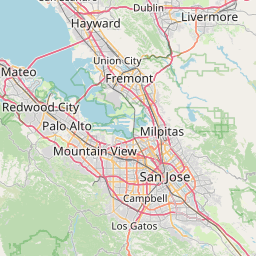
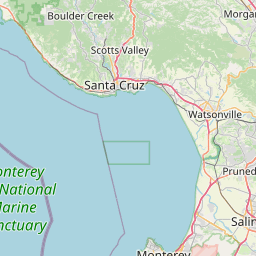
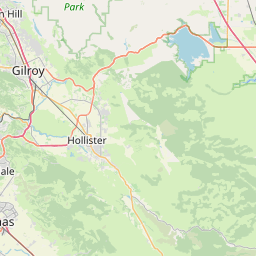
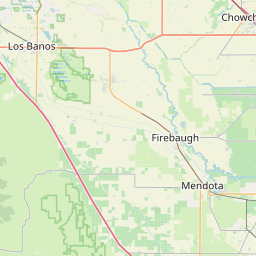
真实地图有助于安排 final walk-through、notary、county recording、保险区域和搬家路线。跨县交易尤其要确认 recorder 时间和本地流程。
不要只看城市名。把目标房源放到真实地图里,观察 freeway、桥、BART/Caltrain、学校边界、山坡、水域、商业区和县市边界。很多买房风险不是房子内部的问题,而是位置导致的长期生活成本。
什么时候算准备好
当你能用一句话说清楚“我们知道什么、还缺什么、谁去确认、坏结果怎么处理、什么时候退出”,这节课就从信息变成了行动计划。如果只是收藏了一堆链接,还不算 ready。
 中文版本保留同一套实战框架,方便买家和家人一起决策。
买家检查清单
- deadline tracker
- owner/date/status
- wire verification
- insurance binder
- final walk-through
带着一个真实房源,把本页 checklist 填完;任何填不出来的项目,都变成下一次 meeting 要解决的问题。
带到会议里
Diane 可以把这篇教程转成你的买家计划:目标城市、预算、文件、风险、offer 姿态和下一步动作。