







SF Bay Area Home Buying, Explained Visually

A practical tutorial library for families buying in San Francisco, Peninsula, South Bay, East Bay, and Marin — from pre-approval through disclosures, offers, escrow, inspections, and closing.

Diane Reyes, SF Bay Area buyer advisor portrait
8 lessons Each lesson ends with a buyer action item.

Learn with the actual Bay Area map open

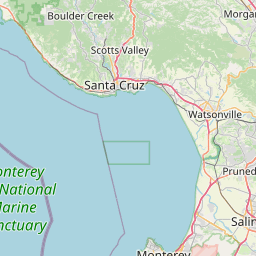
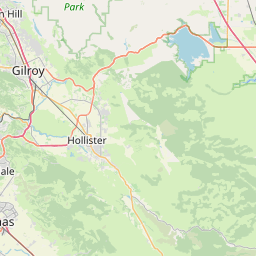
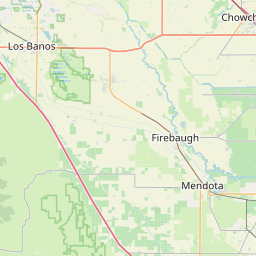
Use the map while reading each lesson: compare commute corridors, bridges, Caltrain/BART access, school boundaries, microclimates, county lines, and wildfire or hillside context before you shortlist a neighborhood.

Real Bay Area map Use this to compare commute corridors, microclimates, schools, bridges, and county boundaries. Open full map ↗

Build your buyer plan as you learn

Answer four quick prompts and the guide will recommend where to start. Your checklist stays in this browser while you read.

Recommended next step

Financing readiness

Start by removing budget and lender uncertainty before touring.

Open recommended lesson

0/4 complete

02

Neighborhood fit: commute, schools, microclimate

A Bay Area search is not one market. San Francisco, Peninsula, South Bay, East Bay, and Marin all behave differently. The right neighborhood is where your actual week works.

  1. Map door-to-door commute at the times you really travel, not the average Google Maps number.
  2. Check school boundaries, daycare waitlists, after-school logistics, and backup care.
  3. Visit the same block morning, weekend, and evening: parking, noise, fog, heat, slope, and street activity change.
  4. Compare tradeoffs city by city: lot size, remodel rules, school predictability, transit, wildfire risk, and insurance.
Action: shortlist three cities and write one sentence for why each could fail your daily life.
Book meeting to compare neighborhoods → Read full tutorial →
Residential exterior for neighborhood comparison
03

How to read a disclosure packet

Disclosure packets are where serious buyers separate signal from noise. You are looking for risk, cost, timeline, and anything that changes your offer strategy.

  1. Start with the seller questionnaire: past leaks, repairs, neighbor issues, additions, insurance claims, and known defects.
  2. Read inspection reports in this order: roof, pest, general, sewer lateral, foundation/drainage, fireplace/chimney, and pool if relevant.
  3. Check permit history against visible remodels. Beautiful kitchens matter less if the work was never permitted.
  4. For condos/HOAs, read minutes, reserves, litigation, rental caps, special assessments, and insurance coverage.
Action: create a two-column list: deal risks you can price in, and deal risks you cannot accept.
Book meeting to read a packet together → Read full tutorial →
04

Offer strategy in a multiple-offer market

A Bay Area offer is a risk package, not just a number. Sellers compare price, certainty, timing, lender credibility, contingencies, rent-back needs, and how likely you are to close.

  1. Reverse-engineer the seller: do they need speed, certainty, rent-back, clean terms, or the highest headline price?
  2. Set your walk-away number before emotions rise. Include appraisal gap and repair reserve.
  3. Only waive a contingency when you know what replaces that protection.
  4. Package the offer cleanly: proof of funds, lender note, signed disclosures, exact close date, and concise cover note if useful.
Action: write your offer ceiling and the reason you would rather lose than cross it.
Book meeting to design your offer → Read full tutorial →
05

Inspection signals: what actually changes the deal

Inspection findings are not equal. Cosmetic flaws are noise. Water, structure, safety, systems, and insurability are the signals that move price or stop the deal.

  1. Look for water path: roof, gutters, grading, crawlspace moisture, foundation efflorescence, and window intrusion.
  2. Separate old-but-working systems from unsafe systems: knob-and-tube, Federal Pacific panels, gas lines, furnaces, and sewer lateral.
  3. Estimate near-term cash, not theoretical remodel dreams: roof now, drainage now, sewer now, pest section one now.
Action: turn every inspection issue into one of three labels: monitor, price, or walk away.
Book meeting to interpret inspection risk → Read full tutorial →
06

Contingencies: what protection you are trading away

Contingencies are not paperwork. They are exit doors. In competitive markets, buyers sometimes shorten or waive them — but every waiver should have a risk plan.

  1. Loan contingency protects financing failure; appraisal contingency protects valuation gap; inspection protects unknown property condition.
  2. Title, HOA, and document review protect ownership defects, association risk, restrictions, assessments, and litigation.
  3. If you waive, define your replacement: cash buffer, pre-inspection, lender underwriting, appraisal gap plan, attorney review.
Action: decide which contingency you are never willing to waive for your first home.
Book meeting to review contingency choices → Read full tutorial →
07

Escrow timeline: the deadlines that cannot drift

Once your offer is accepted, the process becomes operational. Most stress comes from unclear ownership of deadlines: deposit, loan, appraisal, signing, wire, insurance, and recording.

  1. Day 0–3: escrow opens, earnest money deposit goes in, lender receives contract, insurance quotes begin.
  2. Middle: appraisal, loan conditions, title review, HOA documents, repair negotiations if applicable.
  3. Final week: final walk-through, closing disclosure, signing, wire verification, lender funding, county recording, keys.
Action: make a single deadline tracker with owner, date, status, and backup plan for every escrow item.
Book meeting to plan your escrow checklist → Read full tutorial →
08

Closing + first 90 days: own the home before it owns you

Closing is not the finish line. The first 90 days decide whether you inherit chaos or create a calm operating system for the home.

  1. Before recording: verify wire instructions by phone, confirm insurance binder, schedule final walk-through, and photograph condition.
  2. Week 1: change locks, transfer utilities, locate shutoffs, test smoke/CO detectors, and save every warranty/manual.
  3. First 90 days: prioritize safety and water issues before cosmetic projects. Build a contractor shortlist and seasonal maintenance calendar.
Action: create a 90-day home operations list before you move boxes in.
Book meeting to prepare your closing plan → Read full tutorial →

Want a Guided Buyer Plan?

Bring your timeline, target cities, commute map, and budget. Diane will turn them into a practical next-step plan.

Book a Free Consultation